You’ve probably heard about the “miracle” weight-loss drugs everyone’s talking about—medications like Wegovy, Ozempic, and Mounjaro. Maybe your doctor mentioned them, or you’ve seen friends have success. But here’s the million-dollar question: Will your insurance actually cover them?
For seniors, the answer is more complicated than it is for younger adults. Let’s break it down.
The Medicare Challenge 🏥
Here’s the frustrating truth: Traditional Medicare Part D does NOT cover medications prescribed solely for weight loss. This is written into federal law from 2003, and it puts seniors at a real disadvantage compared to younger people with commercial insurance.
Many employer-based and private insurance plans DO cover these medications (though often with strict requirements). So while your 45-year-old daughter might get Wegovy covered, you might face a brick wall—even though obesity-related health risks often increase with age.
When Seniors MIGHT Get Coverage ✅
There’s good news, though! You may qualify for coverage if:
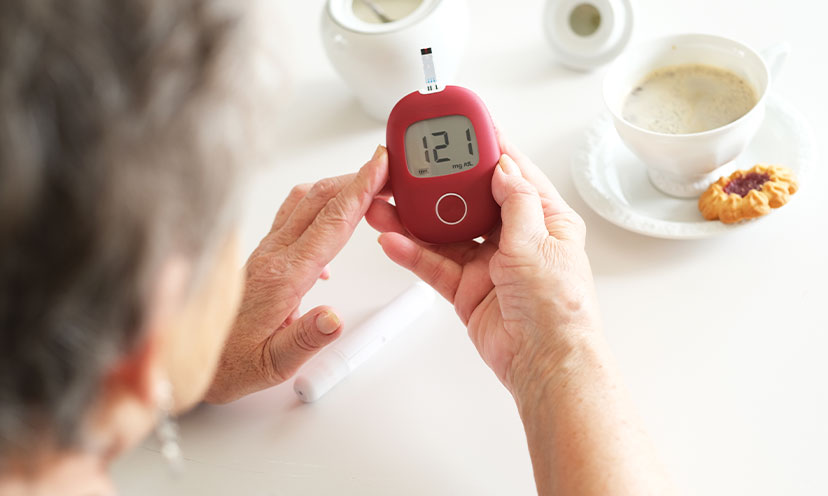
You have diabetes: Medicare covers medications like Ozempic, Mounjaro, and Trulicity when prescribed specifically for type 2 diabetes management. Many people lose weight on these drugs as a side effect—that’s perfectly fine.
You have a Medicare Advantage plan: Some Medicare Advantage plans (Part C) are starting to cover weight-loss medications. Each plan is different, so you’ll need to check yours specifically.
You have obesity-related health conditions: If you have heart disease, sleep apnea, or other conditions worsened by obesity, your doctor might be able to prescribe these medications “off-label” under a diabetes diagnosis or work with your plan for an exception.

What You Should Do Right Now 📞
Call your insurance: Ask specifically: “Does my plan cover GLP-1 medications for weight loss?” Get the answer in writing if possible.
Talk to your doctor: Be honest about your health conditions. Your doctor may be able to document medical necessity that could help with coverage or appeals.
Ask about patient assistance programs: Drug manufacturers offer programs that can dramatically reduce costs—sometimes to $25/month—if you meet income requirements.
Consider the cash price: These medications typically cost $900-$1,300/month without insurance. Some people use online pharmacies or compounding pharmacies for lower prices, though this requires careful research.
The Bottom Line 💡
The system isn’t fair. Seniors often need these medications most but face the biggest coverage barriers. However, don’t give up without exploring all your options. The landscape is changing—some Medicare Advantage plans are beginning to offer coverage, and there’s growing pressure to change federal Medicare rules.
Your health matters, and you deserve access to effective treatments. Start by making those phone calls and having honest conversations with your doctor. You might be surprised by what’s possible.